Controlling the horse-chestnut leaf-miner

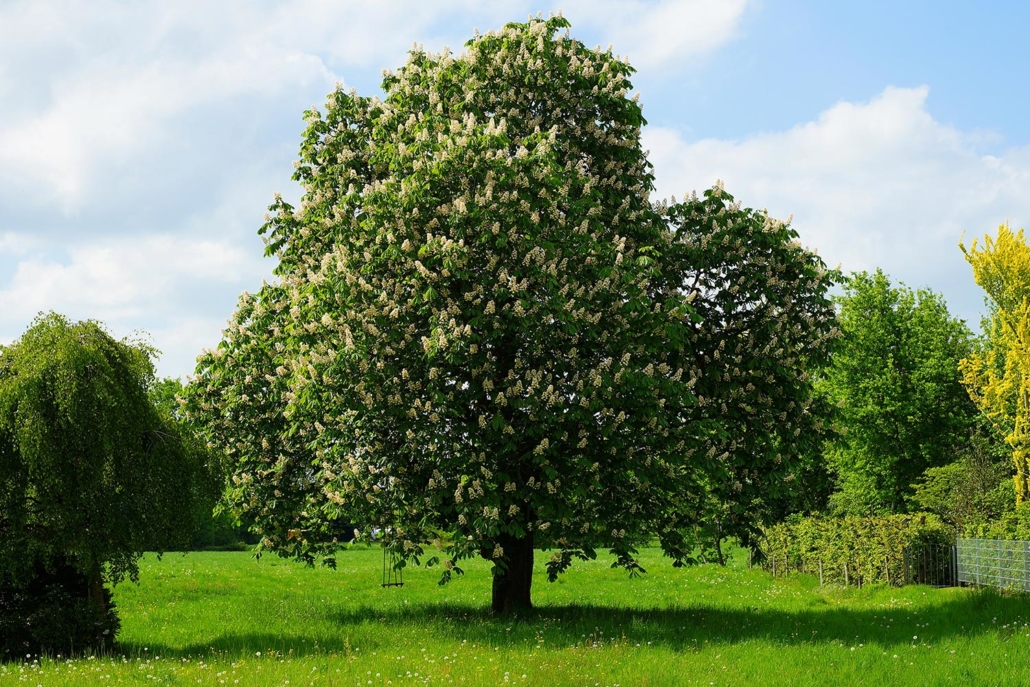
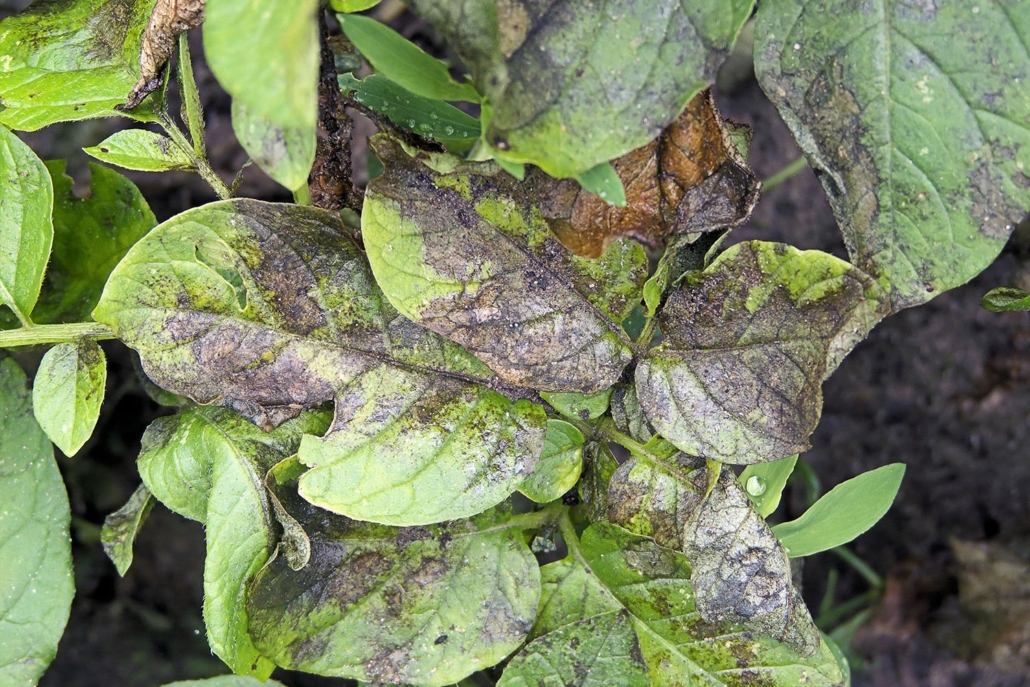
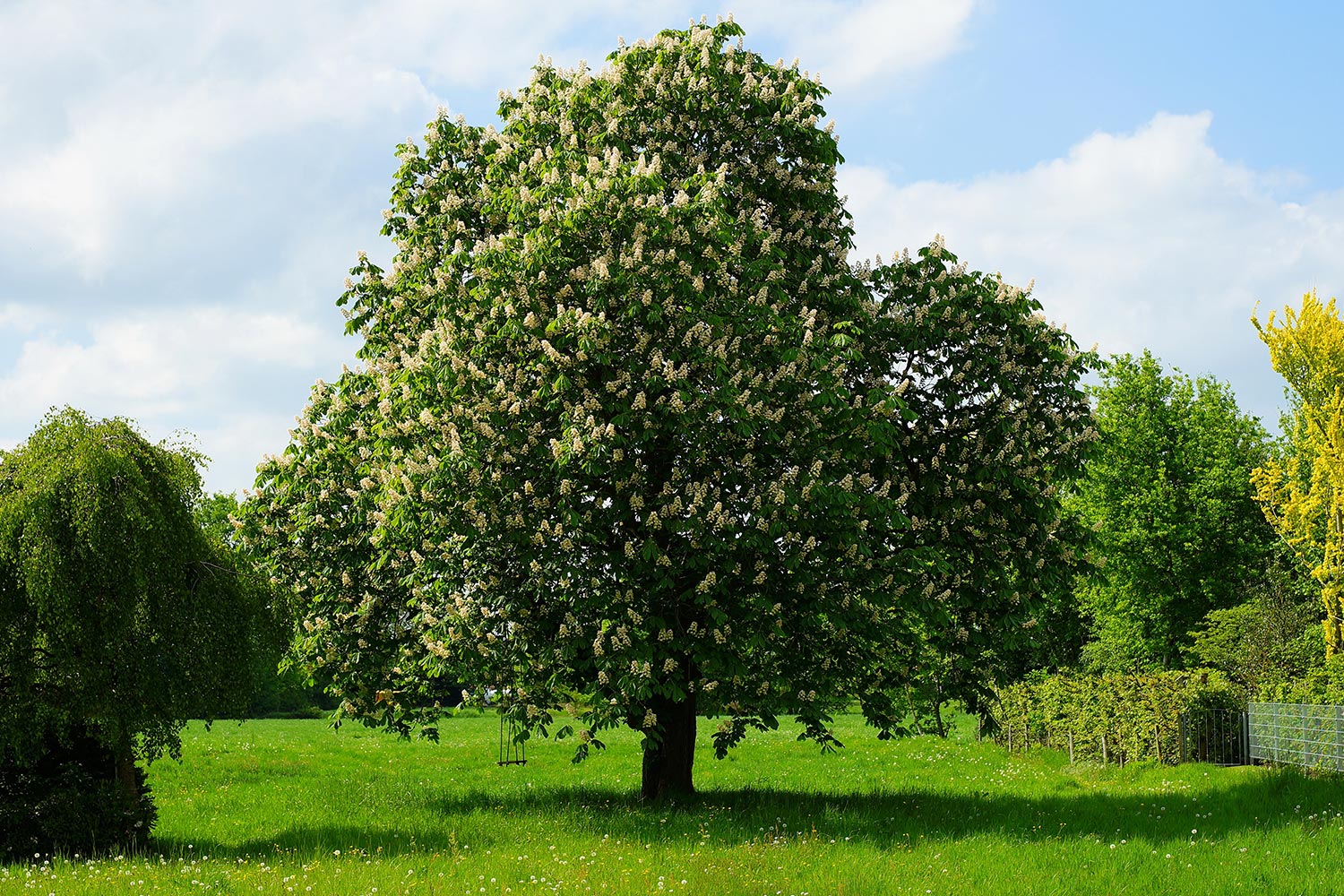
The same sorry sight, year in, year out: in the middle of the summer, the leaves of many horse-chestnuts turn brown and fall off.

The cause: the larvae of the pathogenic horse-chestnut leaf-miner.

The best, and the world’s only organic solution on the market: the Saller treatment, during which, with the aid of usually only one one-time treatment, the tree receives protection for up to 5 years.

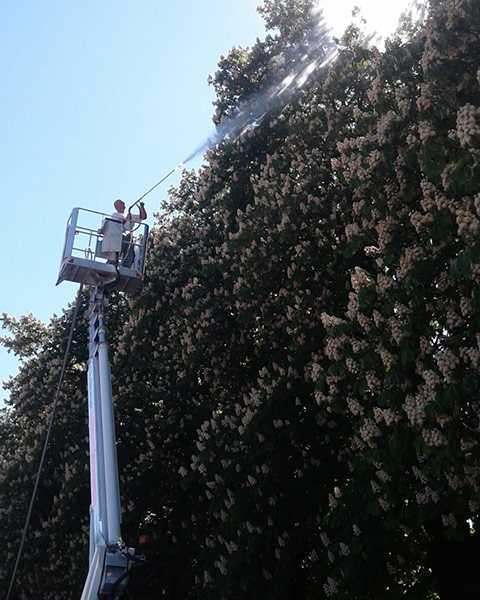
The process involves using a special “injection” lance in order to introduce a mixture of air, water and fertilizer into the root area. As a result of the absorption of the special fertilizer, the tree’s internal cell pressure, hence also that of the leaves, increases. The leaf-miner’s eggs are unable to stand the increased tension and burst.

During the second working step, a special leaf shampoo is sprayed on the horse-chestnut leaves to support the leaves in rapidly rebuilding their natural layer of wax and hence prevent renewed infestation of the tree by the leaf-miners.
Oak proccesionary moths

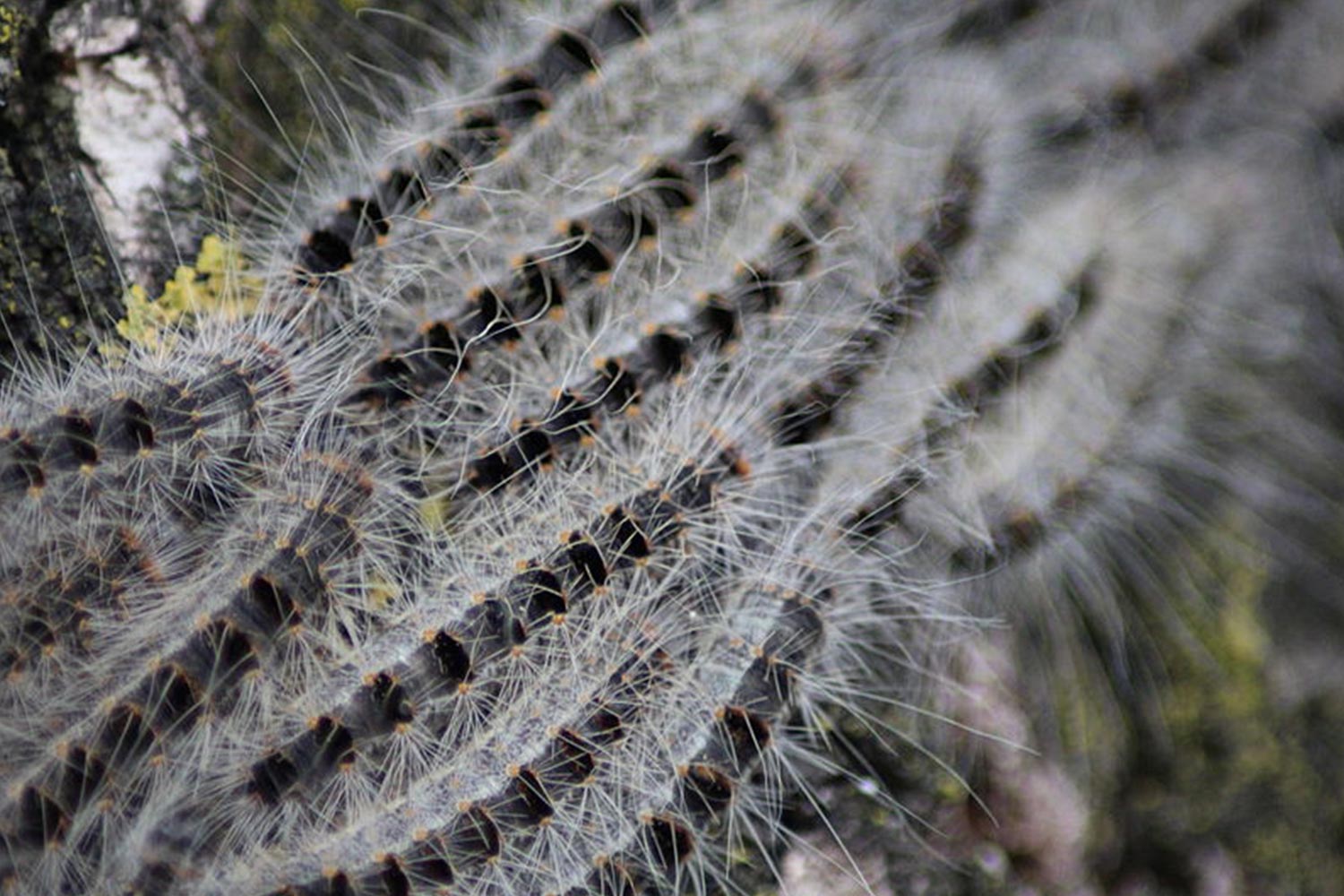
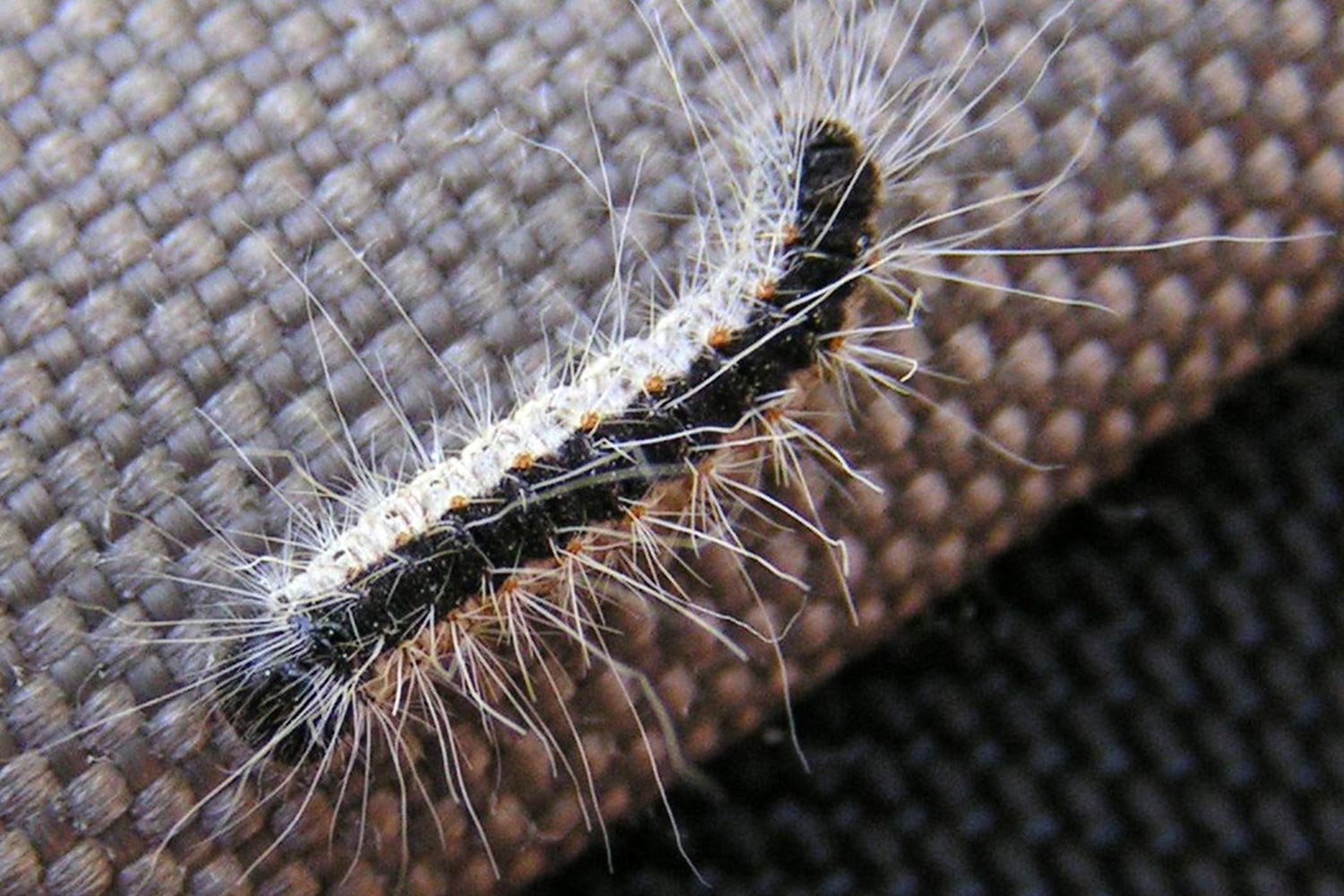
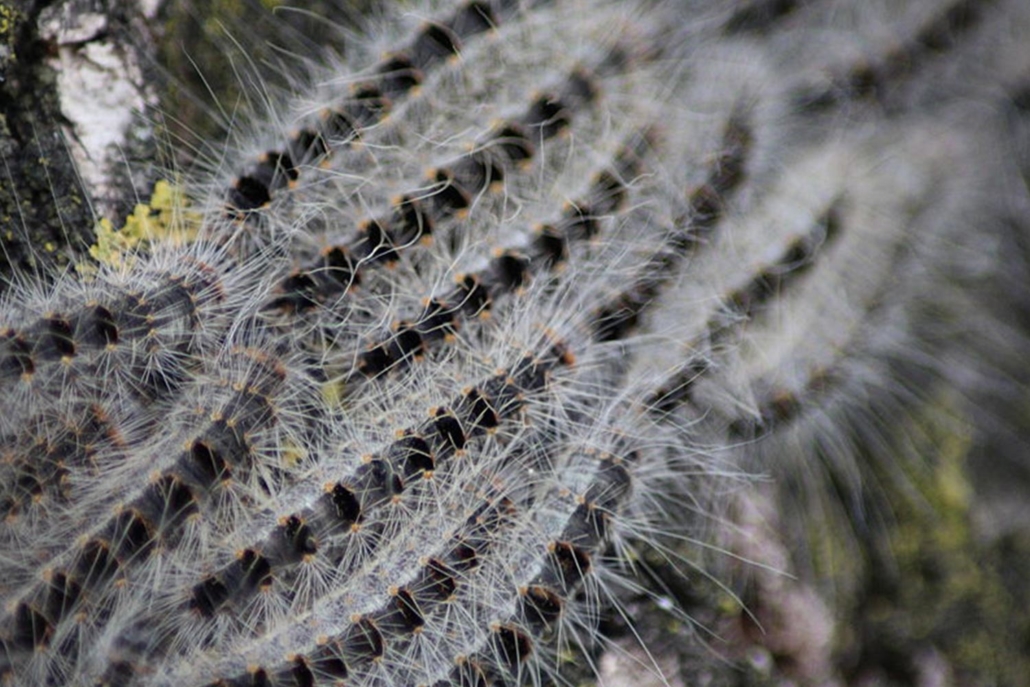
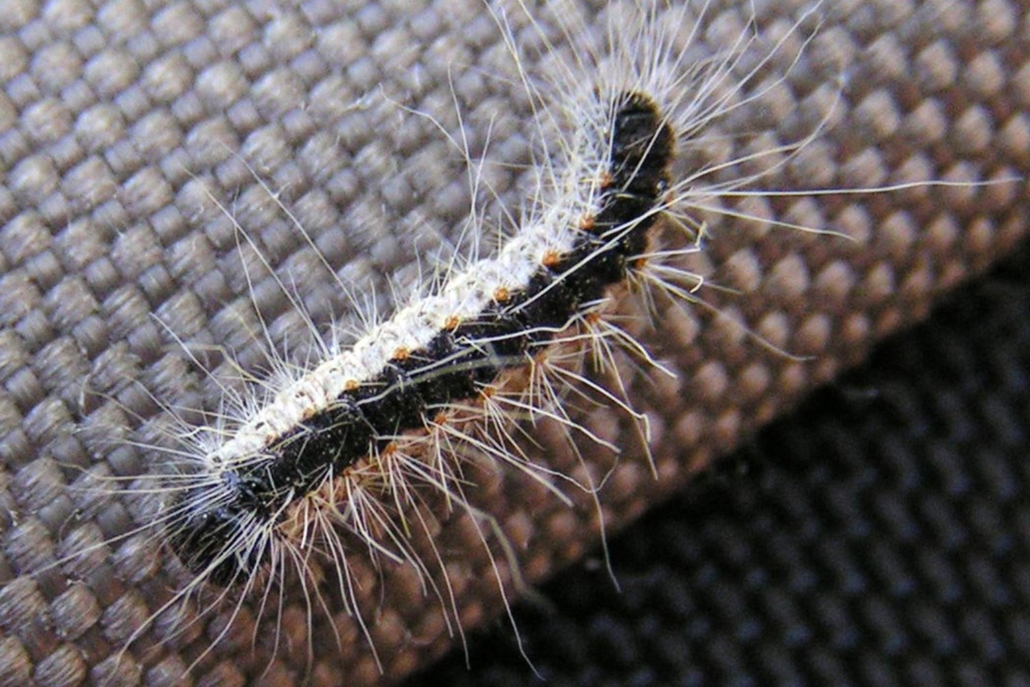
Though the oak processionary moth does not damage the infested tree, it does pose a threat to humans. The toxic hairs on the larvae can cause itching, skin rashes, fever and – in the worst case – even asthma attacks.

Bark beetles

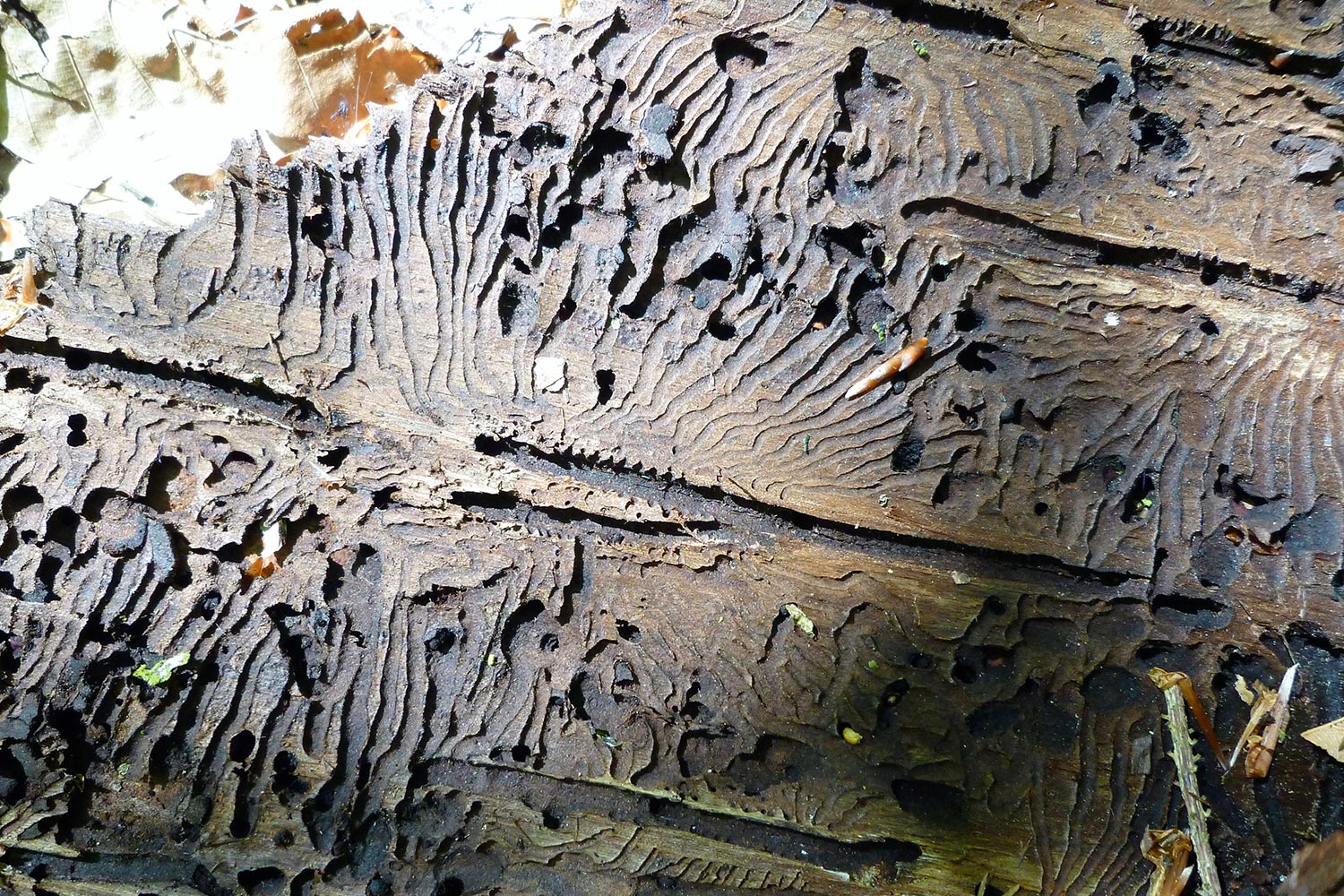
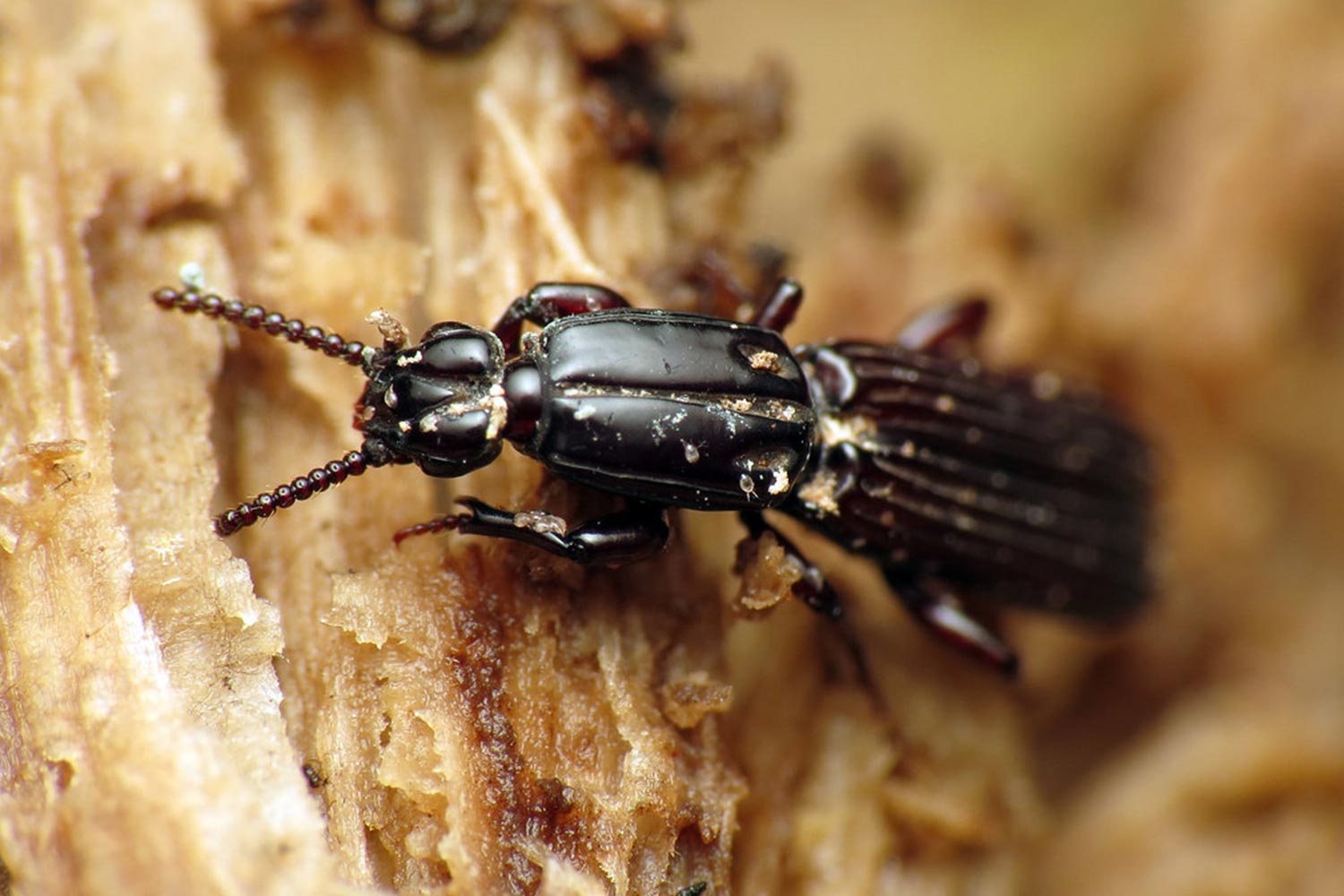
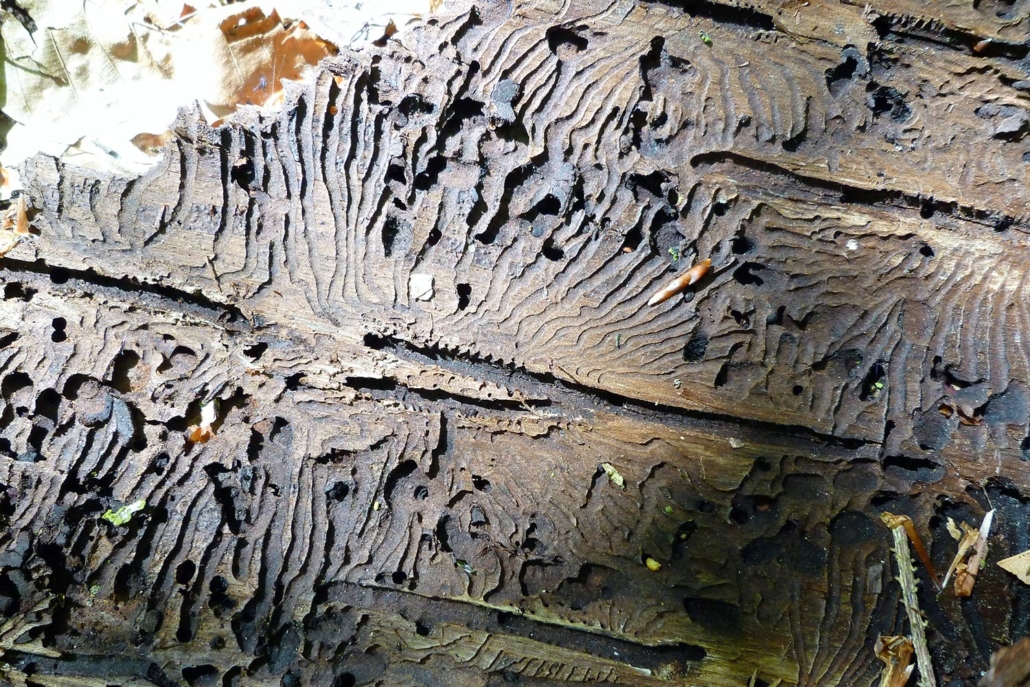
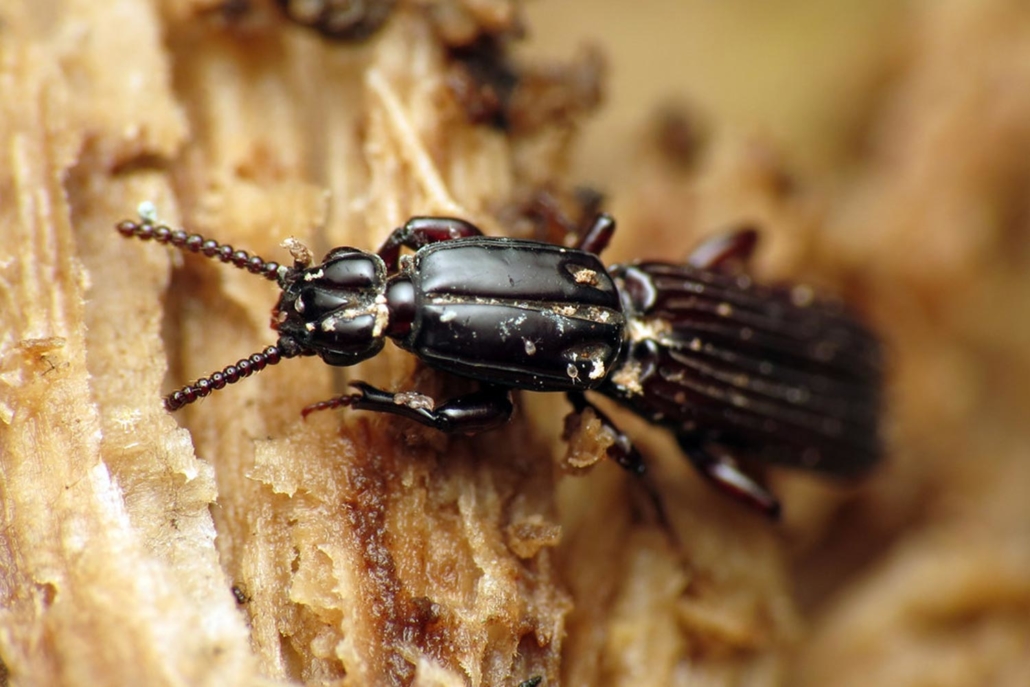
Trees infested by bark beetles should be removed or treated immediately. In the immediate surroundings of the infested trees, other trees also need to be examined closely to see whether damage can be found.

Tree lice

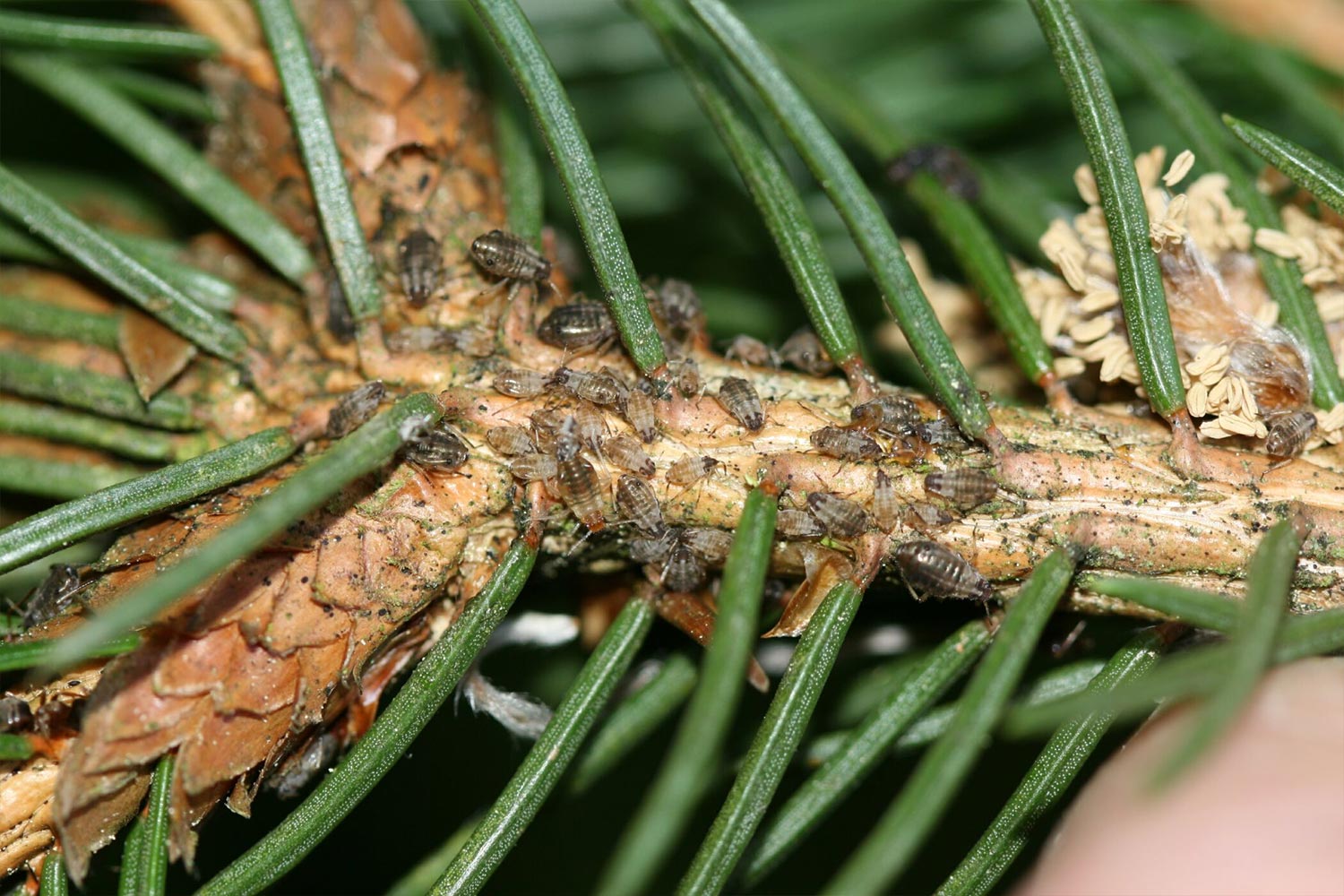
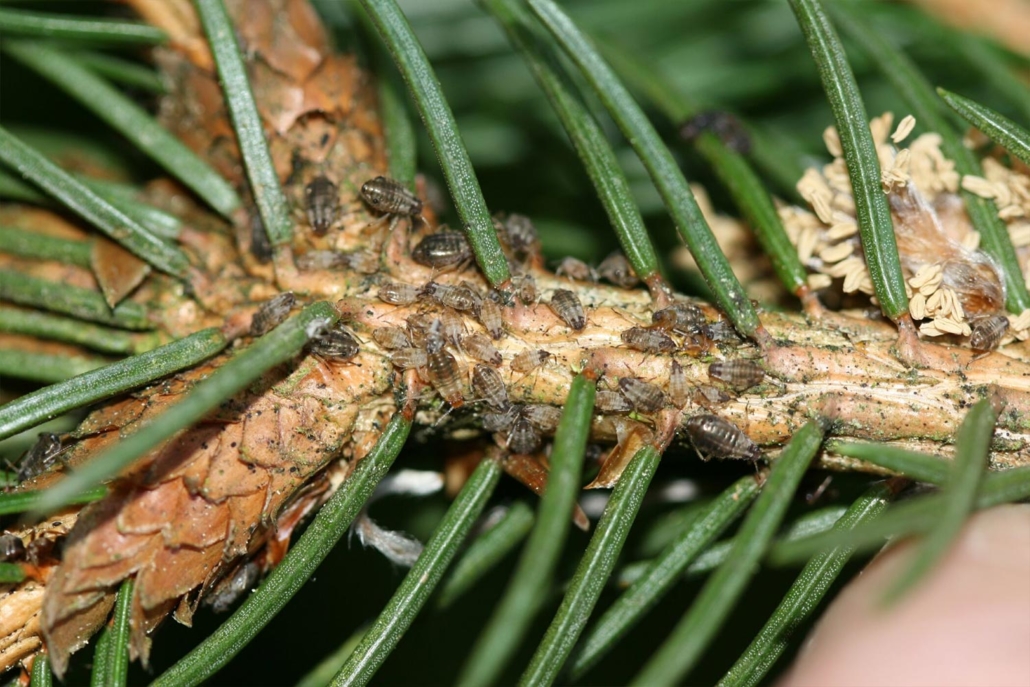
As a result of sucking on the trunk and branches, tree lice bring about a loss of vitality, while in extreme cases the dying off of infested shoots may be the result.

Aphids

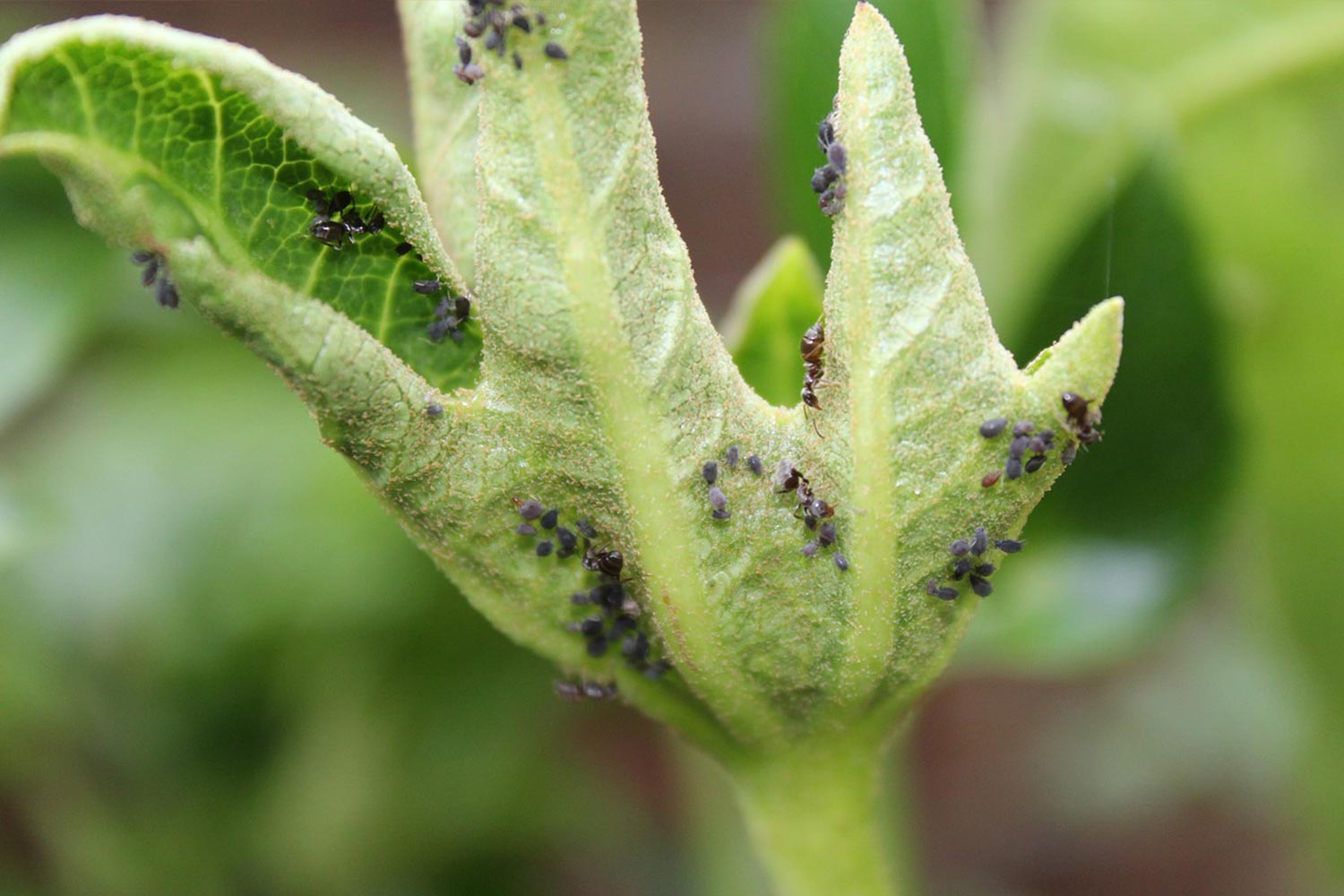
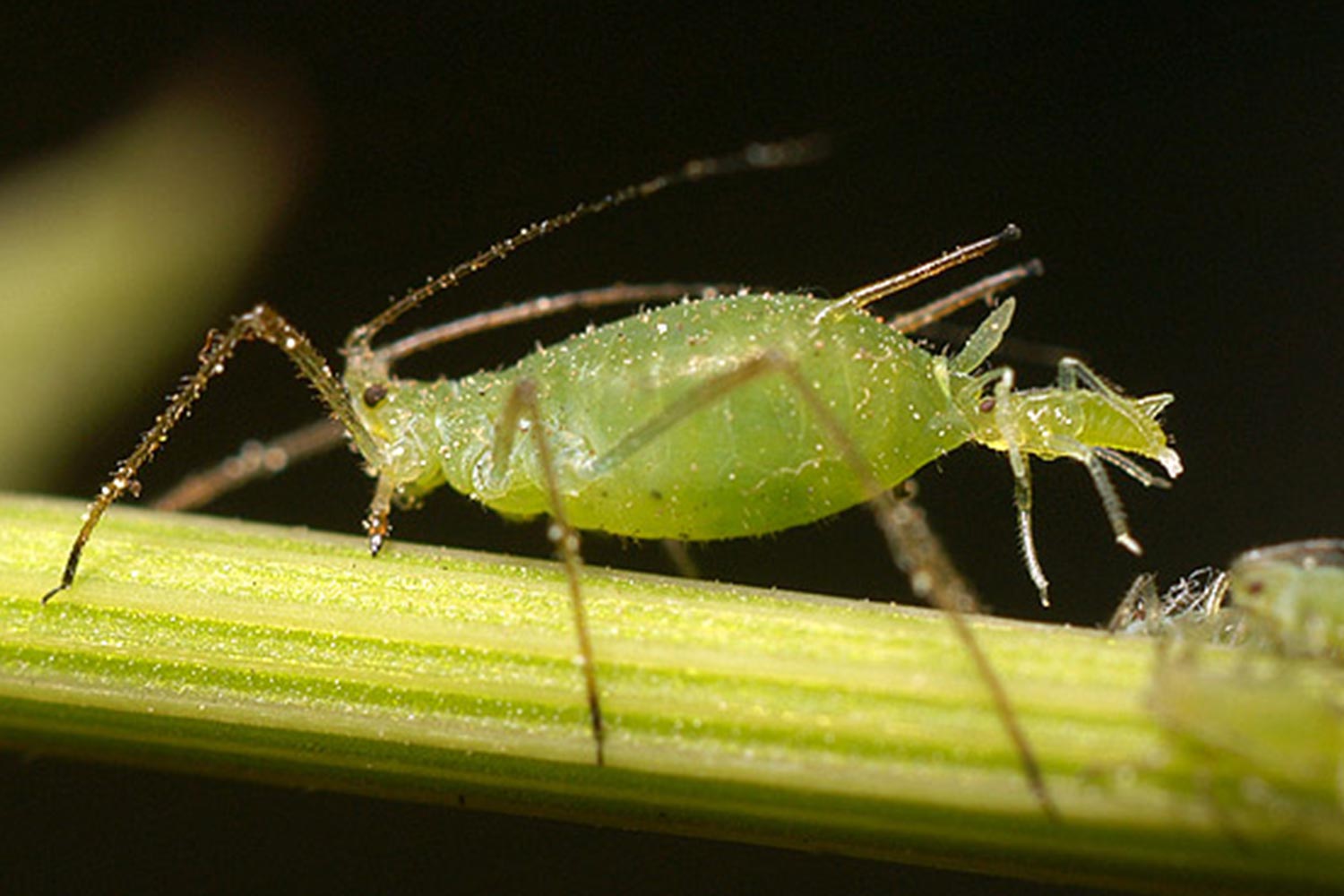
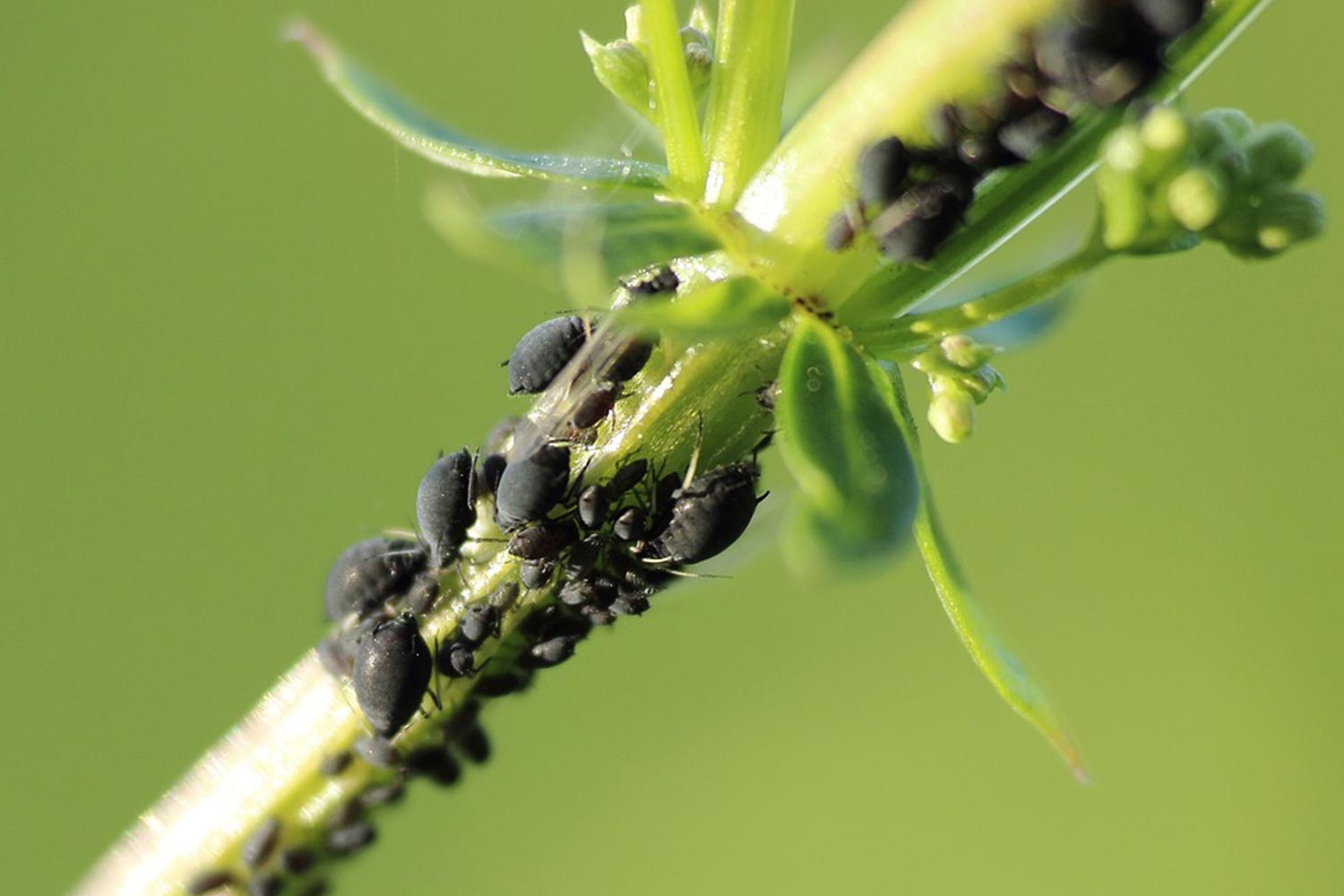
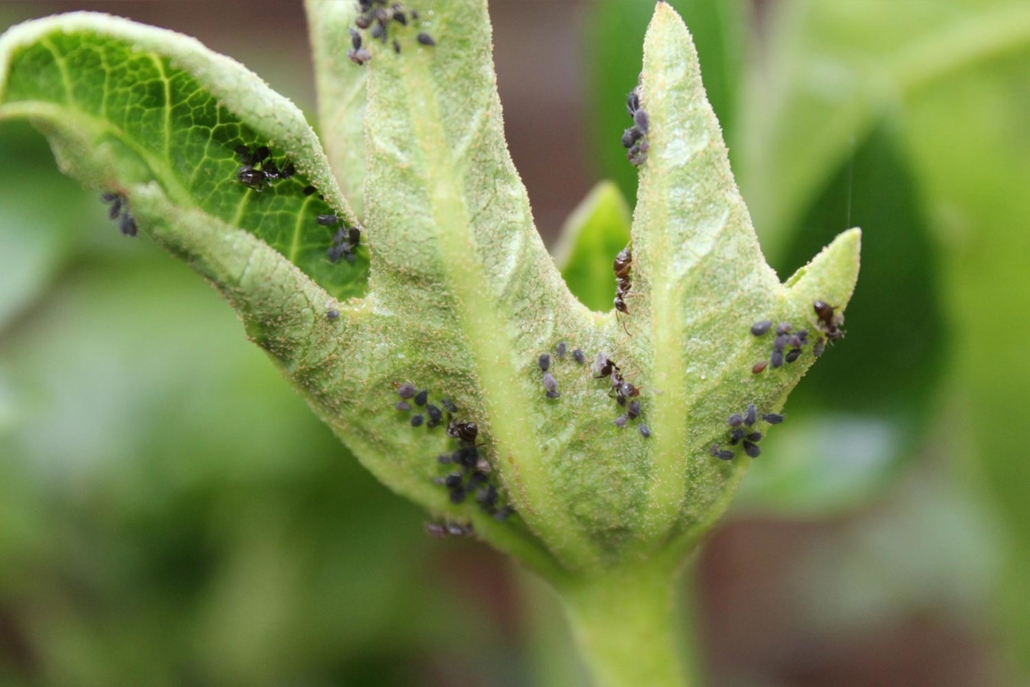
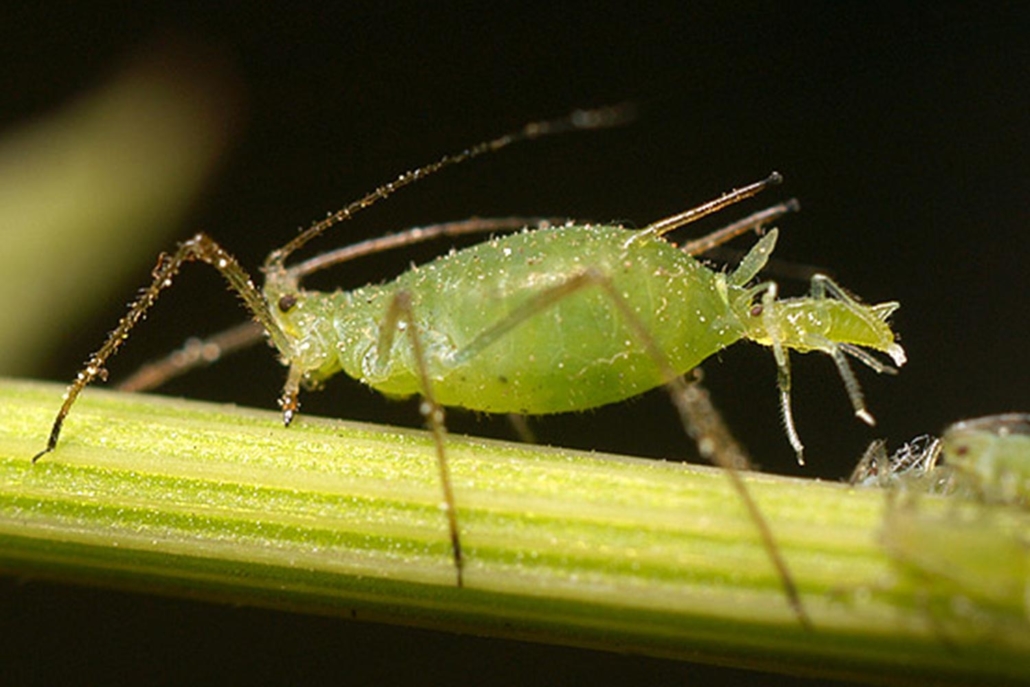
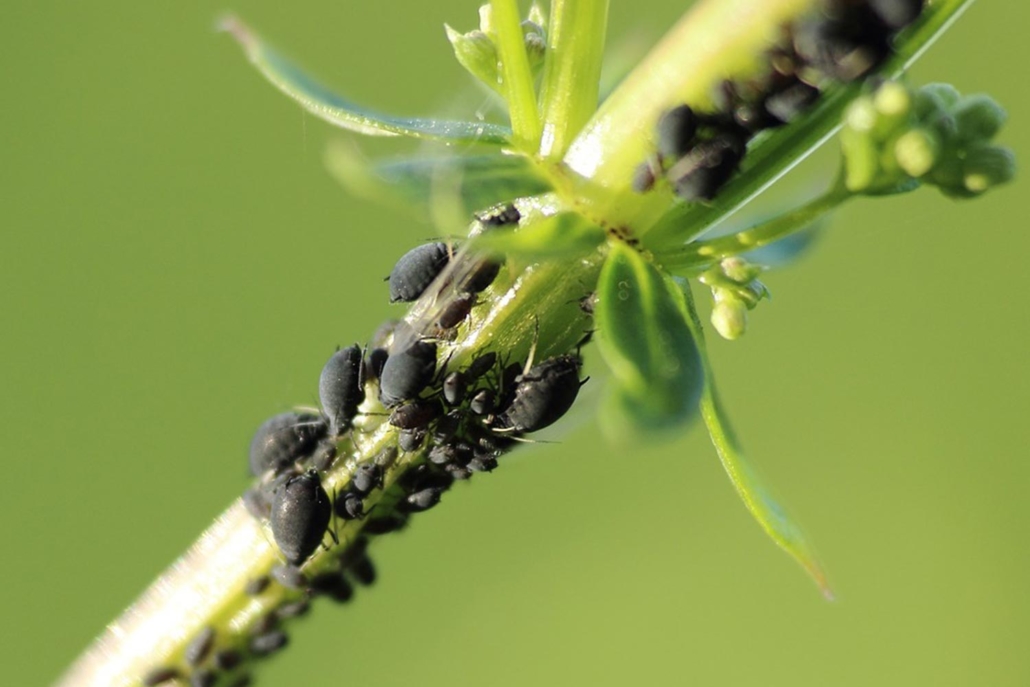
Aphids infest almost all trees. They withdraw assimilated nutrients from the leaves and dirty the leaves with their excretions – so-called honeydew.

Insects in general

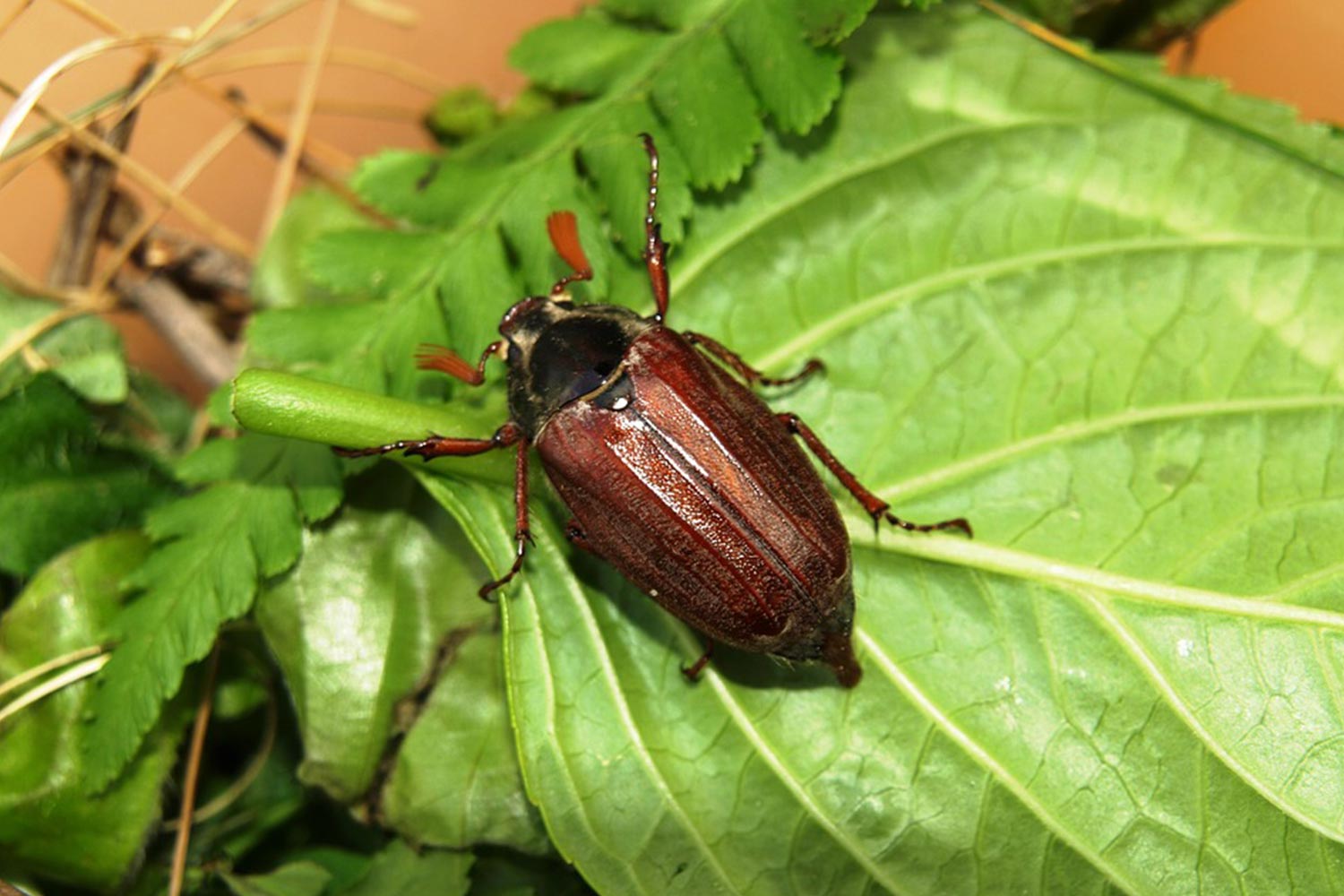
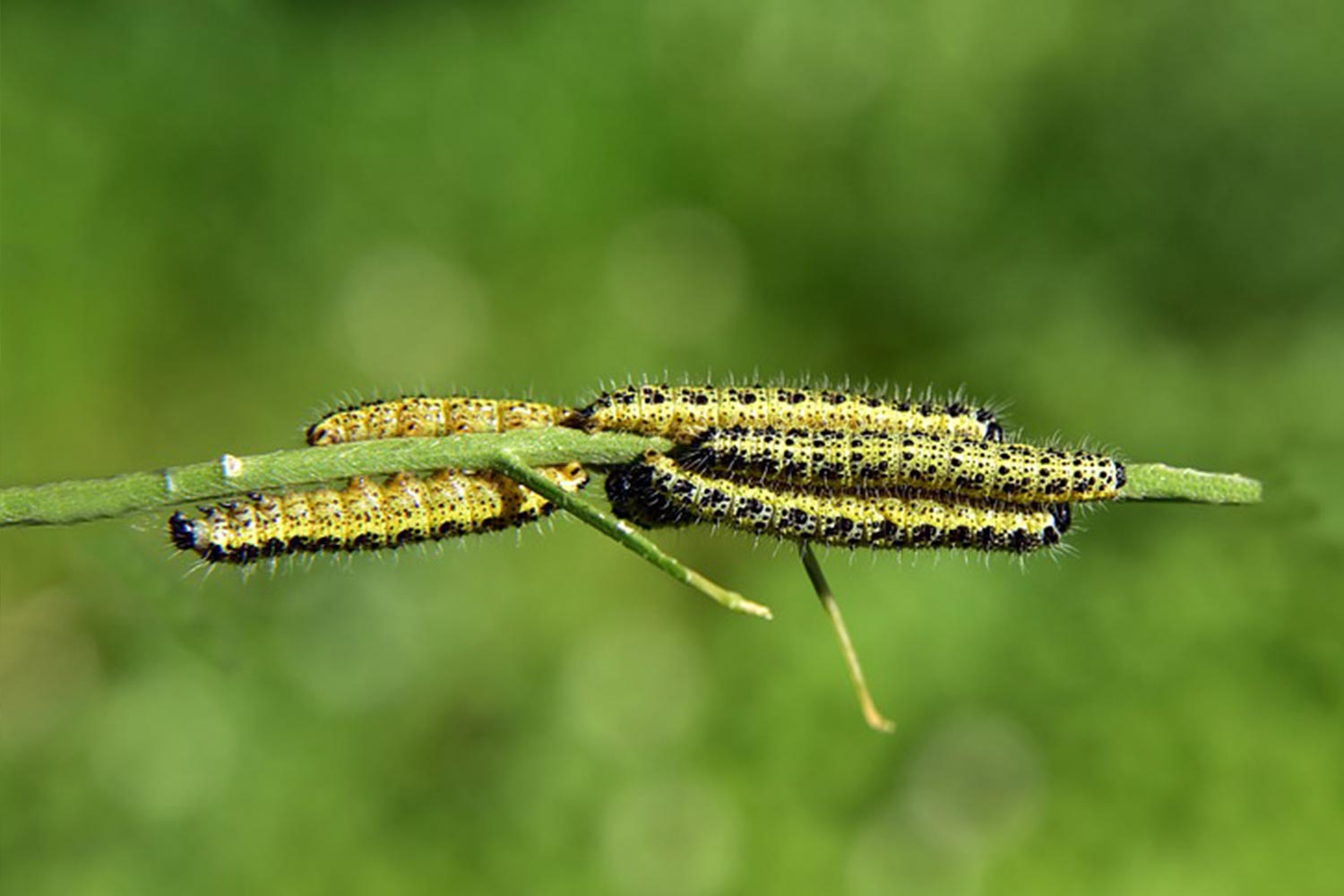
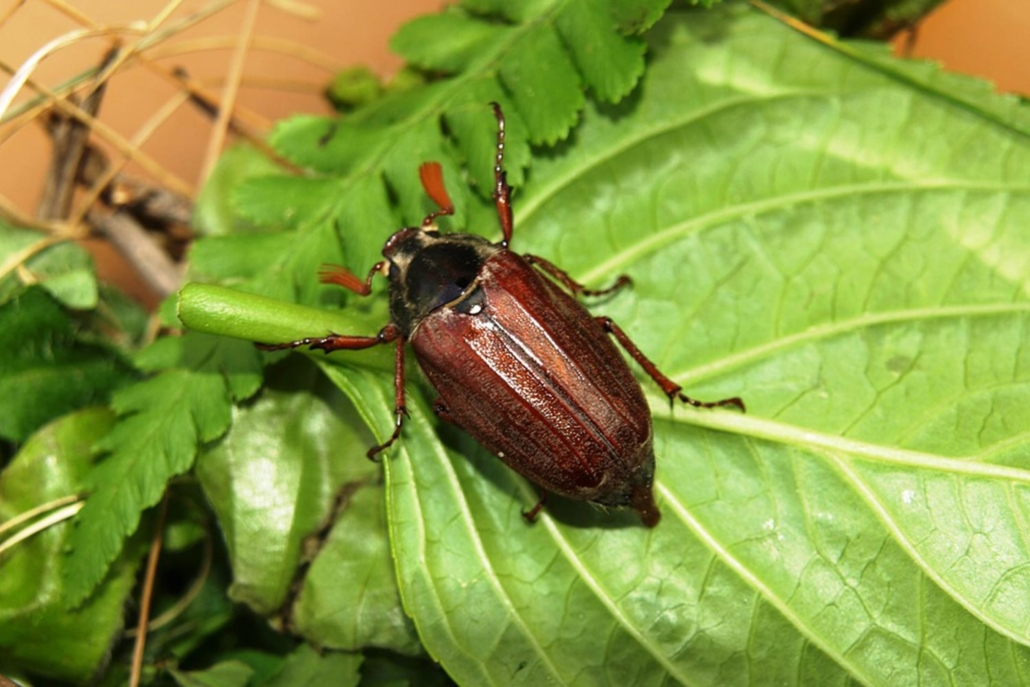
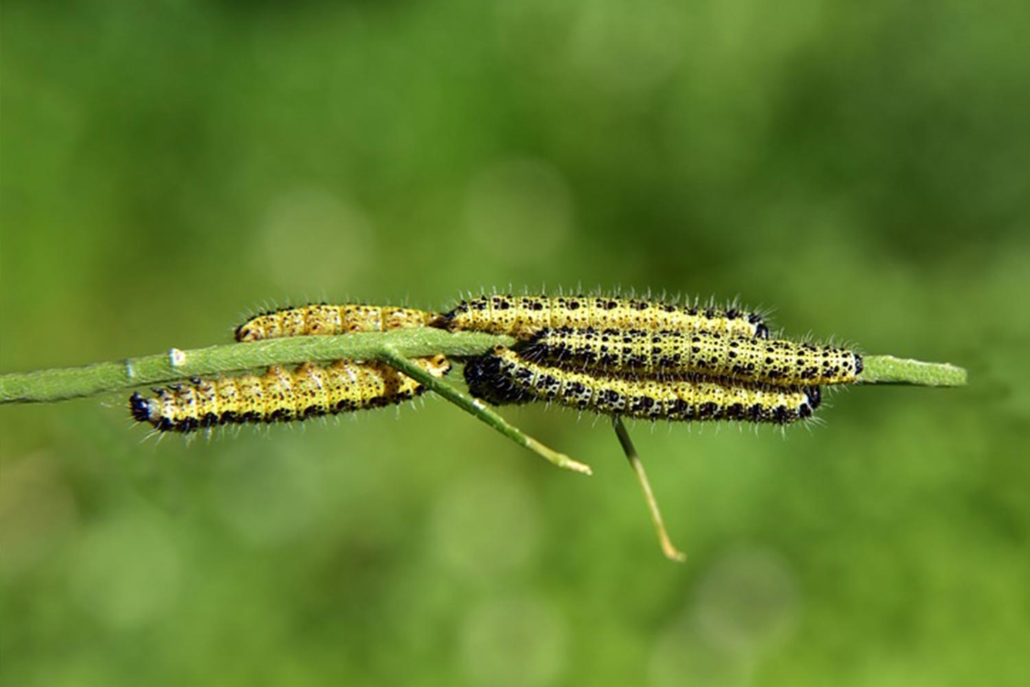
As a result of cockchafers, butterfly caterpillars and similar, considerable leaf mass loss may arise on the tree, which is generally not a hazard for the tree. If, however, a tree is chewed bare for several years in a row, this will damage its vitality.

Mildew

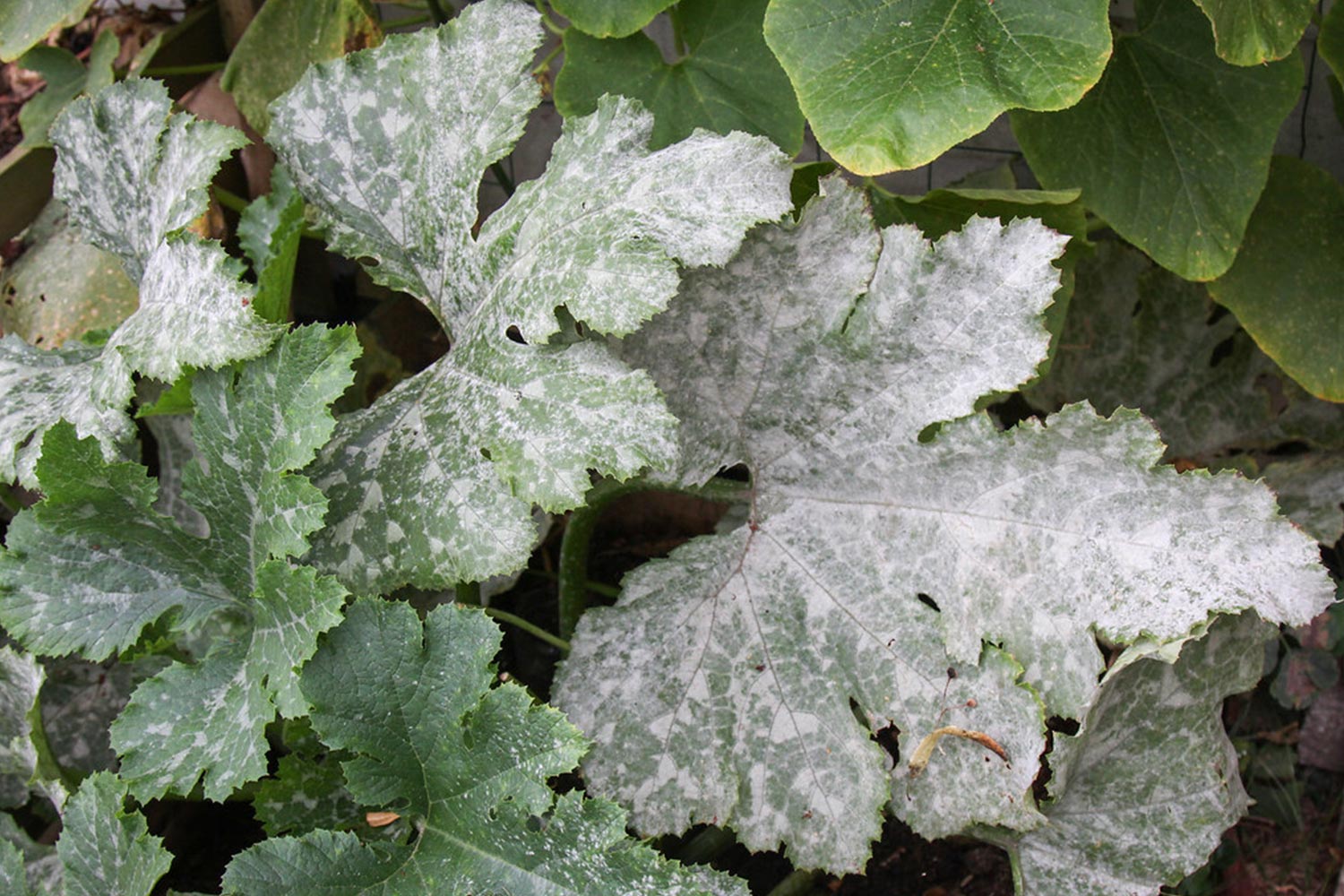
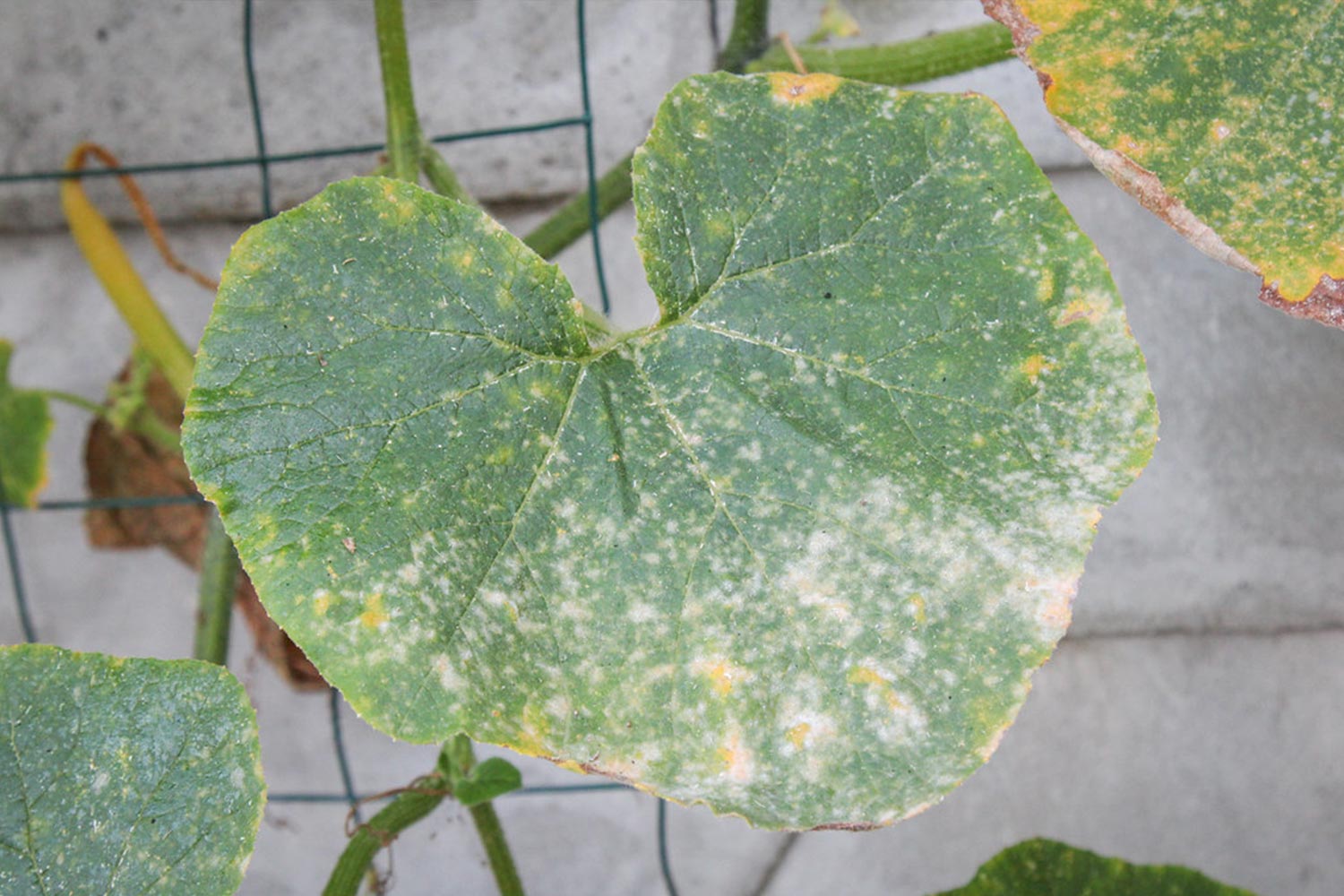
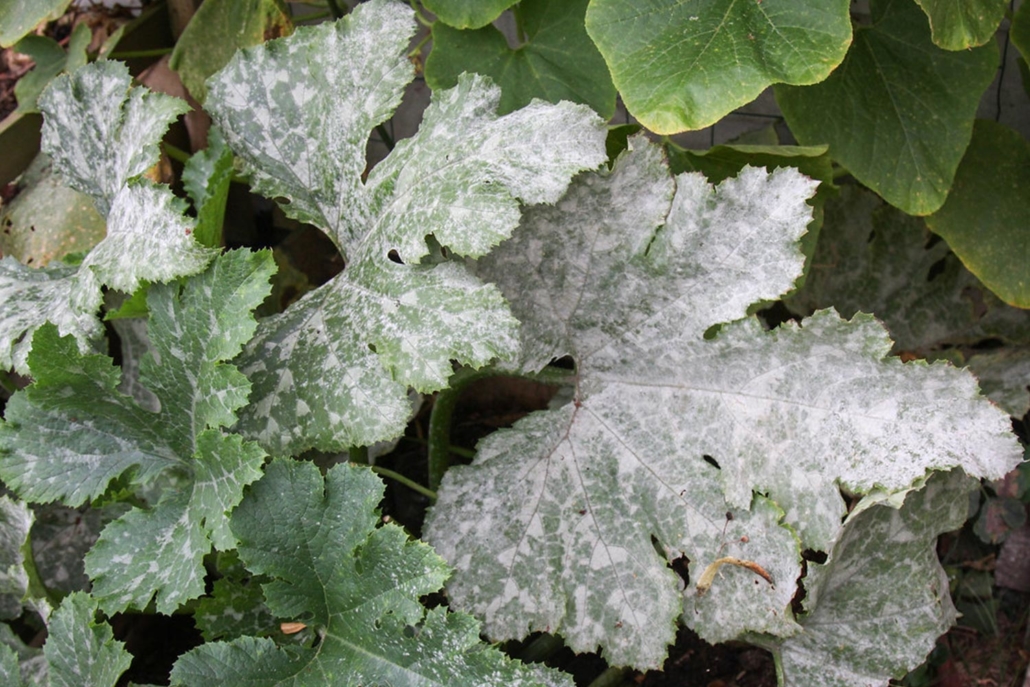
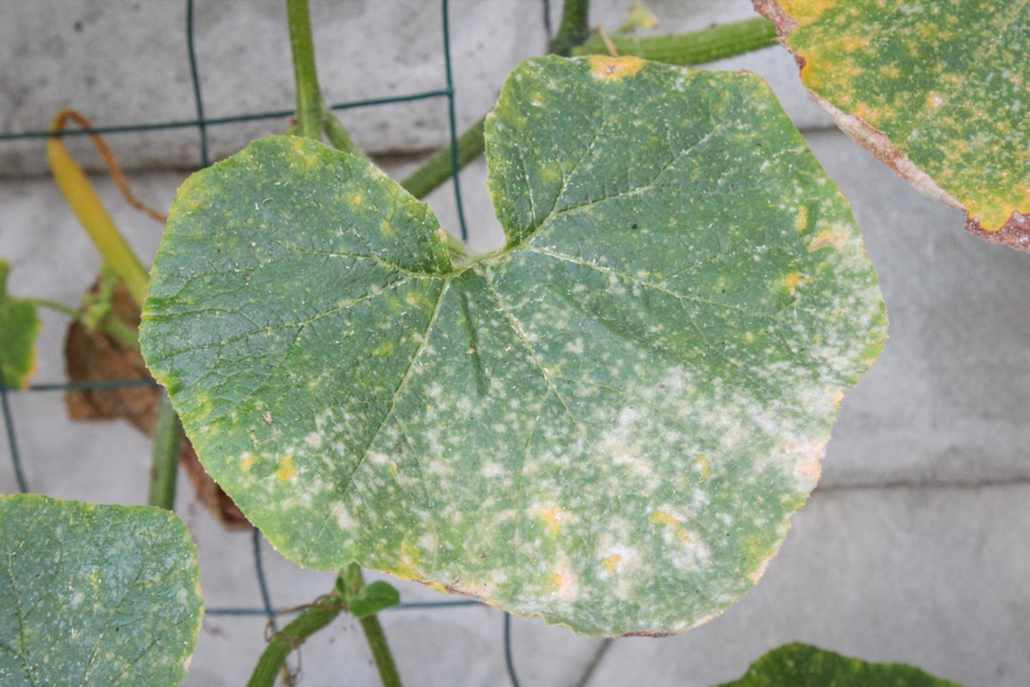
True mildew is a white coating on leaves which can be wiped off using the fingers. The fungi can be found primarily on cucumbers, apples, gooseberries, vines, roses and other plants. Control is advisable when the infestation is serious.

Phytophthora

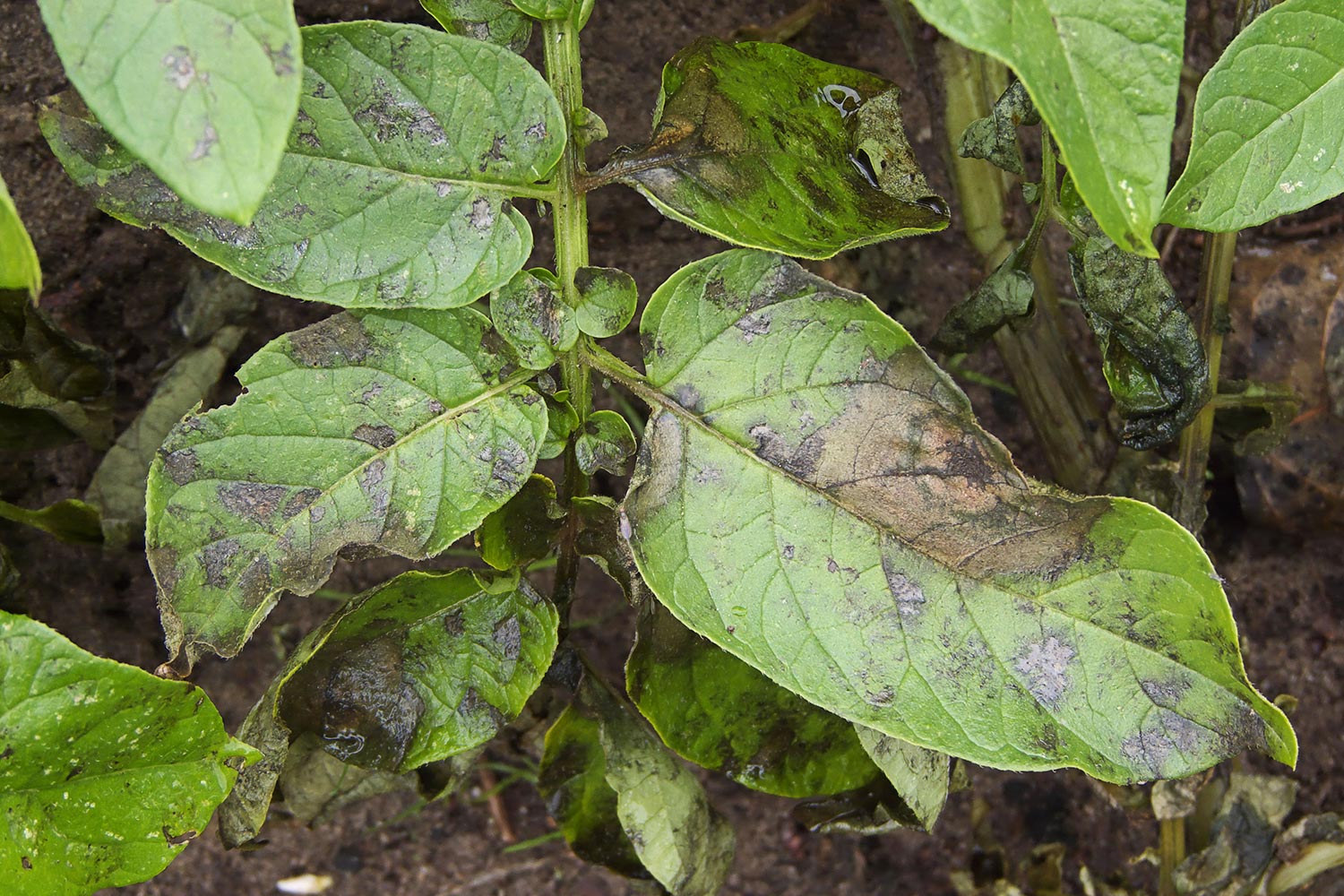
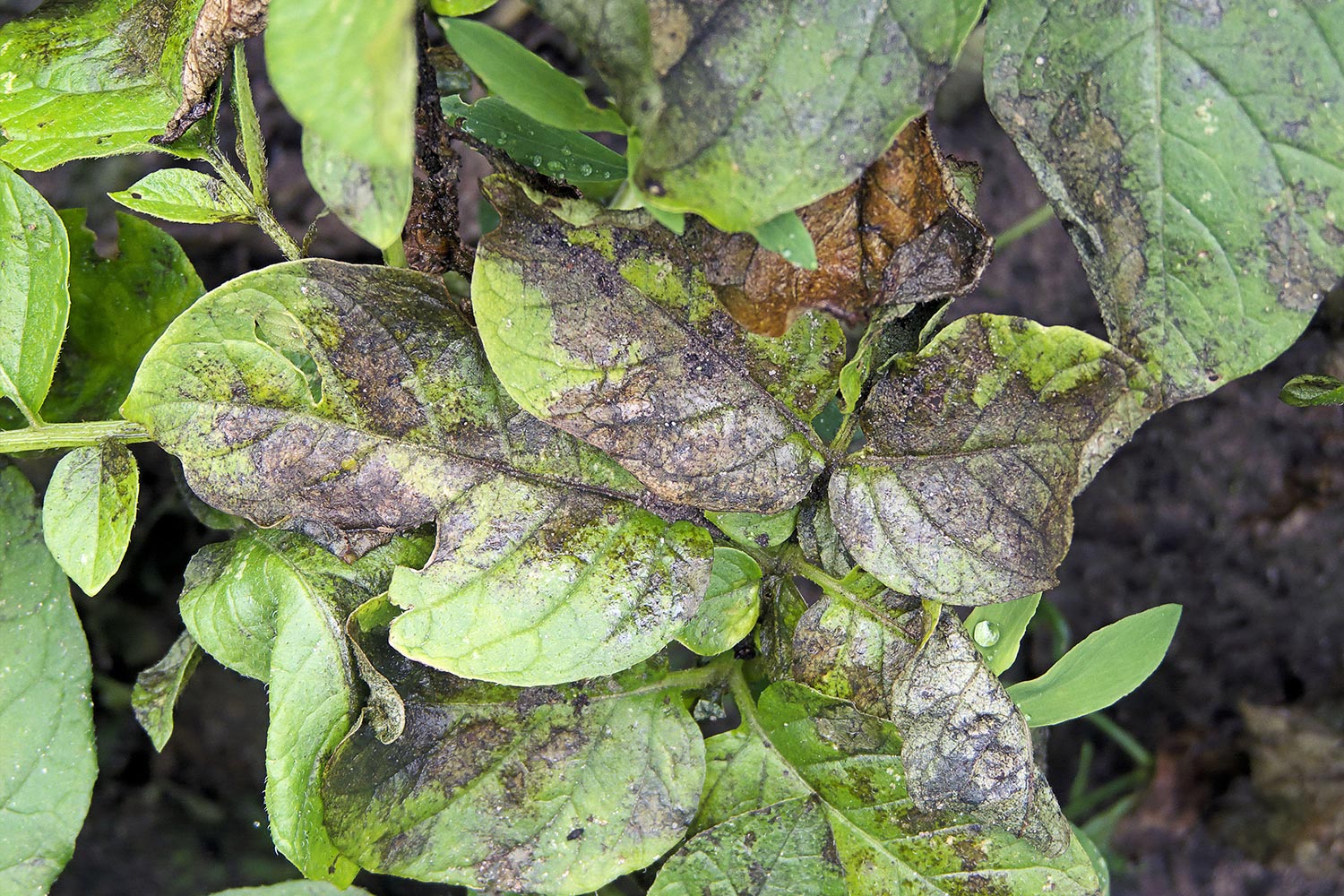
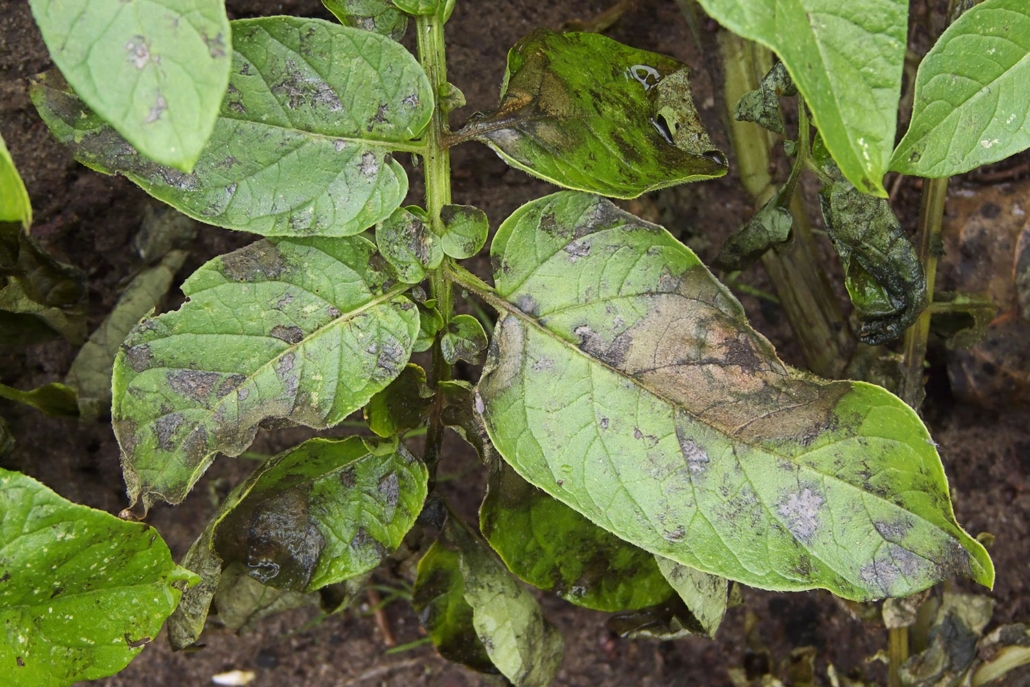
The effect of this blight, on beech trees in particular, is the development of root collar rot. The infested tree forms only a few and small leaves, which are commonly unusually lightly coloured and are shed prematurely.

Any questions?

If you have any further questions, don’t hesitate and contact us via telephone or our contact form.

© Copyright 2026 - Baumchirurgie Saller